1776 America: A Designer’s Embroidery Review
As we approach the United States Semiquincentennial, the demand for patriotic merchandise is shifting from generic flags to designs that carry historical weight and modern relevance. When I first loaded the 1776 America machine embroidery design into my software, I wasn't just looking for a festive graphic; I was evaluating a potential bestseller for the upcoming 250th anniversary of American freedom. For small business owners, Etsy sellers, and apparel decorators, this design represents more than just holiday decor—it is a bridge between heritage craftsmanship and contemporary retail trends.
First Impressions: Balancing History and Stitch Economy
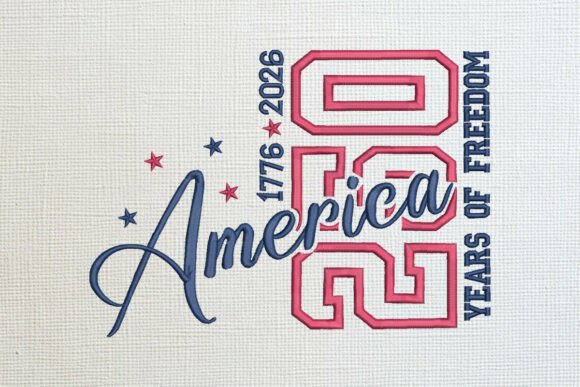
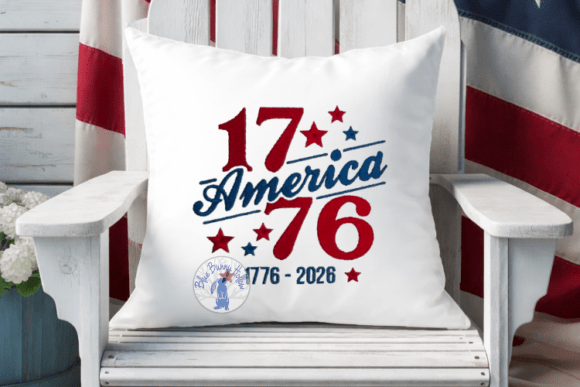
The immediate visual impact of 1776 America lies in its bold typography. Unlike intricate vintage reproductions that can become muddy when scaled down, this design utilizes clean, assertive lettering paired with bright stars. From a digitizing perspective, this is a relief. Bold shapes generally translate to cleaner registration on fabric, reducing the risk of gaps or misalignment during production. The layout feels intentional rather than cluttered, suggesting it was digitized with actual garment placement in mind rather than just screen aesthetics.
For a craft business owner, this balance is critical. You need a design that reads clearly from a distance on a crowded craft fair table but still holds up to close inspection as a handmade product. The combination of what appears to be satin stitch outlines and efficient fill stitches suggests a reasonable stitch count, which is vital for keeping production times manageable without sacrificing the perceived value of the finished product.
Real-World Application: The Canvas Tote Test
To truly evaluate this embroidery file, I approached it with a specific project in mind: a heavy-weight canvas tote bag intended for a boutique summer collection. Totes are high-traffic items that require durable stitching, and the textured surface of canvas can be unforgiving on delicate details.
In this scenario, 1776 America performs exceptionally well as a tote bag design. The bold lettering sinks nicely into the canvas weave without disappearing, provided you use adequate stabilizer. I found that the design serves as an excellent anchor for a larger composition. Because the motif is self-contained and balanced, it allows for easy personalization below or above the main graphic. For an Etsy seller offering custom market bags, this means you can quickly add a family name or city location using a complementary font without disrupting the core patriotic theme. This versatility transforms a standard holiday embroidery piece into a year-round staple leading up to 2026.
Fabric Compatibility and Technical Considerations
While the design shines on stable fabrics like canvas, denim, and tea towels, creators must exercise caution when applying 1776 America to stretchy or lightweight materials. If you are planning sweatshirt embroidery or working with performance knits, the density of the bold lettering could cause puckering if not properly supported.
- Stretchy Fabrics: Always use a cut-away stabilizer and consider a topping to prevent stitches from sinking into the knit texture. Test the tension before running a full production batch.
- Sheer or Lightweight Fabrics: The bold nature of this design may be too heavy for voile or light linen. If attempting baby embroidery onesies, verify the physical size and stitch density first to ensure the garment remains soft and wearable.
- Textured Surfaces: On terry cloth towels or fleece, use a water-soluble topping to keep the star details crisp and the lettering legible.
For those considering this as an applique design variation, the bold shapes offer perfect coverage areas. However, always confirm whether the specific file you purchased includes applique placement lines or if it is strictly a direct-stitch embroidery. Assuming one format works for the other can lead to wasted materials and frustration.
Commercial Viability for Makers and Sellers
From a business perspective, 1776 America is a strong asset for commercial embroidery ventures focusing on the Semiquincentennial. The design avoids overly trendy elements that might date it quickly, making it a safer investment for inventory planning. Whether you are creating custom apparel for local historical societies, selling personalized gifts at farmers' markets, or listing digital assets online, the timeless aesthetic supports higher price points compared to generic clip-art style embroidery.
When creating printable mockups for your shop listings, pay attention to contrast. This design relies on bold visuals, so it photographs best against neutral or contrasting backgrounds. A navy sweatshirt with white and red thread, or a natural linen towel with navy stitching, will showcase the design's clarity far better than low-contrast combinations. Remember that customer trust is built on accurate representation; ensure your mockups reflect how the stitch density actually interacts with the fabric texture.
Essential Pre-Stitch Checklist for Professionals
Before committing this design to a final product or adding it to your catalog of design assets, run through these practical verification steps. Even high-quality files require validation against your specific equipment and materials.
- Verify Hoop Size: Confirm the exact dimensions of 1776 America against your machine’s maximum sewing field. Do not assume it fits a 4x4 hoop without checking; resizing bold text can distort aspect ratios and ruin the professional look.
- Check Licensing: If you plan to sell the digital embroidery file itself versus a finished embroidered item, review the license terms explicitly. Commercial use for physical products often differs from digital redistribution rights.
- Test Thread Colors: Patriotic palettes vary significantly between brands. Run a test stitch-out to ensure your red doesn’t bleed into white areas and that your blue provides sufficient contrast against dark fabrics.
- Evaluate Small Details: Inspect the stars and serifs at the smallest allowable size. If details merge or become indistinct, set a minimum resize limit for your shop to maintain quality control.
- Stabilizer Matching: Document which stabilizer combination works best for your most common substrates. This saves time during reorders and ensures consistency across your small shop product line.
Final Thoughts on Design Integrity
1776 America succeeds because it respects both the historical significance of the occasion and the technical realities of machine embroidery. It avoids the common pitfall of excessive complexity that plagues many patriotic designs, opting instead for bold readability and production efficiency. For the experienced maker, this translates to fewer headaches at the machine and a more polished result for the client.
Whether you are preparing a signature collection for Independence Day or building a long-term inventory for the 2026 anniversary, this design offers a solid foundation. Just remember that even the best embroidery project starts with proper testing. Take the time to validate the file on your specific setup, respect the fabric limitations, and leverage the design’s bold simplicity to create merchandise that honors 250 years of freedom with the quality it deserves. By treating this design as a professional tool rather than just a seasonal novelty, you elevate your brand and provide customers with heirloom-quality goods that celebrate American history authentically.