Bees in Lavender: A Merchandise Design Review
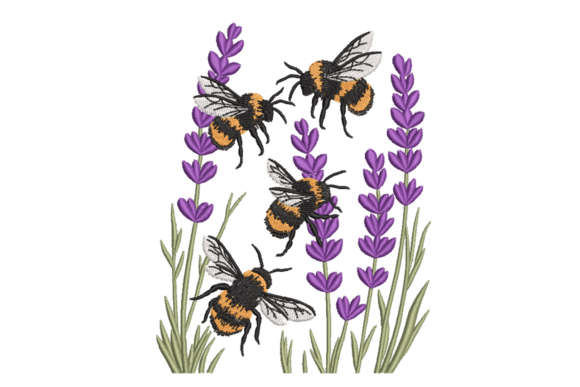
As an experienced embroidery designer, I approach every new machine embroidery design with a critical eye toward production viability and commercial application. When evaluating Bees in Lavender – Garden for small business merchandise, my primary focus shifts from pure aesthetics to functional branding. This design falls under the Bugs category, but its potential extends far beyond nature appreciation. For florists, bakeries, apiaries, and handmade skincare brands, this motif represents a specific intersection of rustic charm and professional polish that can define a brand's visual identity.
First Impressions and Visual Personality
Upon reviewing the concept of Bees in Lavender – Garden, the immediate impression is one of organic elegance mixed with industrious warmth. Unlike generic bug designs that can sometimes appear cartoonish or overly scientific, the lavender element grounds this piece in botany and craftsmanship. For a business owner, this signals "natural," "handmade," and "premium." The combination suggests a narrative of growth and care, which is essential for businesses relying on customer trust.
From a digitizing perspective, floral and insect combinations require a delicate balance. The bees must be distinct enough to read at smaller sizes without losing their anatomical character, while the lavender needs sufficient texture to avoid looking like flat blobs of purple thread. If executed well, this design feels friendly yet established. It avoids the amateurish look that often plagues DIY branding, positioning it as a strong candidate for high-end small business merch.
Commercial Applications for Branded Merchandise
The versatility of Bees in Lavender – Garden makes it a valuable asset across various product lines. In my experience working with apparel decorators and Etsy sellers, this type of imagery performs exceptionally well in specific contexts:
- Apron Embroidery: For cafés, florists, and bakeries, placing this design on the chest or pocket of an apron creates an instant connection between the staff and the product. The garden theme reinforces freshness and natural ingredients.
- Tote Bag Design: Canvas totes are staples for markets and boutiques. This design provides a large, attractive focal point that customers want to display, effectively turning them into walking advertisements for your brand.
- Embroidered Patches: Creating standalone patches allows for flexible inventory. These can be sold as add-ons, used as packaging seals, or applied to caps and jackets later without re-hooping garments.
- Cap Embroidery: While challenging, this motif works beautifully on unstructured dad hats or structured trucker caps, provided the aspect ratio is adjusted for the curved surface.
- Product Packaging: Stitching this directly onto linen bags or fabric labels elevates the perceived value of physical goods like soap, honey, or yarn.
For creative studios and craft businesses, using this digital embroidery file ensures visual consistency across all touchpoints. Whether it appears on a uniform sleeve or a thank-you gift, the recurring motif builds recognition and reinforces the handmade nature of your offerings.
Production Considerations and Technical Limitations
While Bees in Lavender – Garden has immense aesthetic appeal, technical constraints must be respected to ensure a quality finished product. As a designer, I advise caution in the following areas:
Size Reduction and Detail Loss
Bugs and botanicals are detail-heavy. If you intend to use this as a tiny logo on a polo collar or a 2-inch patch, verify the minimum size specifications of the embroidery file. Intricate bee wings and lavender buds can merge into indistinct lumps if scaled down too aggressively. Always request a test sew-out at your intended smallest size before committing to bulk production.
Fabric Texture and Stabilizer Choice
Garden themes often imply natural fabrics like linen, cotton, or burlap. These textured surfaces can swallow fine details. You may need to increase stitch density or use a heavier topping to prevent the design from sinking into the weave. Conversely, on performance wear or slick nylon, the design might require different stabilization to prevent puckering. Never assume one stabilizer setup works for every substrate.
Thread Color Management
Lavender and yellow/gold bee tones rely heavily on contrast. On dark uniforms, these colors pop beautifully, but on light pastels, they may wash out. Review your thread colors against the actual garment color, not just a screen mockup. Sometimes, outlining elements with a darker shade or adjusting the saturation is necessary to maintain legibility and impact.
Impact on Brand Identity and Customer Perception
In the competitive landscape of handmade and local business, professionalism is the differentiator. A poorly executed embroidery job damages trust faster than almost anything else. Using a verified, high-quality version of Bees in Lavender – Garden communicates attention to detail. It tells the customer that you care about the tactile experience of your brand.
This design specifically targets the "cottagecore" and eco-conscious demographics currently driving significant sales in the maker economy. However, it does so without sacrificing maturity. It bridges the gap between playful and premium. When customers see crisp, clean stitching on a tote bag or apron, they associate that quality with the products or services you sell. The design becomes more than decoration; it becomes a seal of quality assurance.
Designer Notes for Successful Implementation
Before loading this design into your machine or sending it to a contract embroiderer, follow this professional checklist to mitigate risk:
- Verify Licensing: Confirm that the commercial embroidery license permits the specific end-use you have in mind. Some files allow for personal crafting but restrict mass-produced merchandise for sale.
- Create Printable Mockups: Before stitching, place the design digitally on photos of your actual products. This helps visualize scale and placement relative to seams, pockets, and zippers.
- Test in Black and White: Print a line art version or stitch a grayscale test. This reveals whether the design relies too heavily on color to define shapes. Good digitizing should hold up even without color variation.
- Check Hoop Size Compatibility: Ensure the design fits comfortably within your available hoops with adequate margin for clamping. Crowding the hoop leads to registration errors and distorted outlines.
- Evaluate Spacing and Kerning: If the design includes text alongside the bees and lavender, inspect the spacing. Text that is too close to detailed graphics can cause thread breaks or visual clutter.
- Compare Beside Other Assets: Lay this design next to your existing logo and branding materials. Does the style match? Is the line weight consistent? Visual cohesion is key for professional custom apparel.
- Wash Test: If this will be used on items requiring frequent laundering (like aprons or work shirts), wash and dry the sample multiple times. Check for thread shrinkage, color bleeding, or stabilizer residue.
Ultimately, Bees in Lavender – Garden offers a rich opportunity for small businesses to enhance their merchandise lineup. By treating this machine embroidery design as a strategic business asset rather than just a pretty picture, you ensure that every stitch contributes to building a stronger, more recognizable brand. Always prioritize testing and technical verification to guarantee that the final embroidered result matches the professional standard your customers expect.