My First Easter Bunny Faux Embroidery: A Designer’s Honest Review
First Impressions: Sweet, Simple, and Perfectly Seasonal
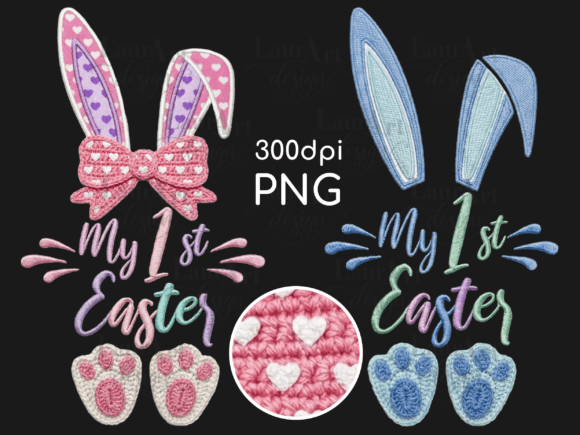
Opening the file for My First Easter Bunny Faux Embroidery, I was immediately struck by its charming simplicity. This isn’t a design that tries to be overly detailed or intricate—it leans into its theme with a soft, playful bunny silhouette that feels right at home in early spring projects. The layout is clean and centered, with gentle curves and minimal sharp edges, making it feel approachable and easy to stitch.
It gives off a nostalgic, hand-drawn vibe without being too whimsical, which makes it versatile for both kids’ items and boutique-style adult accessories. I can already picture it stitched onto a pastel tote bag or a personalized baby onesie for an Easter gift line.
Real-World Use: From Sweatshirts to Baby Blankets
I tested this design on a few different materials to get a sense of its adaptability. On a medium-weight cotton sweatshirt, the bunny came out soft and clean—no distortion in the stitch lines, even around the ears and paws. The faux embroidery effect mimics real satin and fill stitches well, which is a big plus for those who want a polished look without the complexity of a multi-layer embroidery file.
When I stitched it onto a thinner baby onesie, I noticed the design held up better than expected. I used a lightweight stabilizer and a soft tear-away backing, which helped prevent puckering. It's not overly dense, so it didn’t pull or stretch the fabric, which is key for delicate items like baby clothes.
I also tried it on a linen kitchen towel for a boutique-style Easter gift set. The result was subtle but charming—especially when paired with a coordinating thread color. It’s not the kind of design that screams for attention, but it adds a nice handmade touch that Etsy buyers and craft fair shoppers appreciate.
Where to Use It Carefully: Know the Limits
While My First Easter Bunny Faux Embroidery works well in many applications, it does have some limitations. I wouldn’t recommend it for very small hoop sizes—anything under 3x3 inches starts to lose the softness of the original design. The bunny’s ears and paws get too compressed, and the overall image becomes less recognizable.
On textured or stretchy fabrics like fleece or knits, I found the design required a bit more prep. A quality cutaway stabilizer and proper hooping technique were essential to keep the lines crisp. Without that, the bunny’s outline looked slightly wavy, especially around the face and body.
Dark fabrics also revealed a small issue: the design doesn’t come with built-in underlay stitches or color variations for contrast. If you’re stitching it on black or navy, you may want to manually add a white or light outline in your embroidery software to help the bunny stand out.
Design Impact: Cute, but Not Overly Trendy
One of the things I appreciate most about this design is its timeless appeal. It doesn’t lean too heavily into any one trend, which means it can be used across multiple seasons and product lines. The bunny is cute without being cutesy, and the faux embroidery texture gives it enough dimension to feel like a premium design without the stitch count.
In terms of product value, this design works best as a mid-tier addition to a holiday or seasonal collection. It won’t be the star of a high-end boutique line, but it’s perfect for affordable personalized gifts or Etsy listings where buyers are looking for a soft, handcrafted touch.
From a branding standpoint, it could be a good fit for small craft businesses that focus on baby items, nursery decor, or spring-themed merchandise. It’s easy to stitch, easy to photograph, and easy to sell—especially when paired with complementary designs or color variations.
Designer Notes: What to Test Before You Stitch
- Test on scrap fabric first: Especially if you’re using it on stretchy or delicate materials.
- Check thread color contrast: This design benefits from thoughtful color choices—don’t just go with default thread palettes.
- Review stitch density: It’s light and airy, so make sure it holds up on textured or layered garments.
- Confirm hoop size: Aim for at least a 4x4 hoop to maintain clarity in the bunny’s features.
- Inspect small details: The eyes and nose are minimal, so they may not stitch out clearly on low-quality machines or with cheap thread.
- Try black and white mockups: Helps visualize how it will look on different fabric tones.
- Use proper stabilizer: Especially important for soft or stretchy fabrics.
- Confirm licensing: Since it’s a digital freebie, make sure it’s allowed for commercial use before selling finished products.
Final Thoughts: A Solid Choice for Spring Projects
Overall, My First Easter Bunny Faux Embroidery delivers what it promises: a soft, stitch-friendly bunny design that works well for seasonal items and small-batch handmade goods. It’s not overly complex, which makes it great for beginners or small shops that need quick turnaround projects.
If you're an Etsy seller or craft entrepreneur looking for a gentle Easter design that’s easy to stitch and photograph, this one is definitely worth a try. Just keep in mind the limitations—especially around fabric type and hoop size—and you’ll be set for a clean, professional-looking finish.