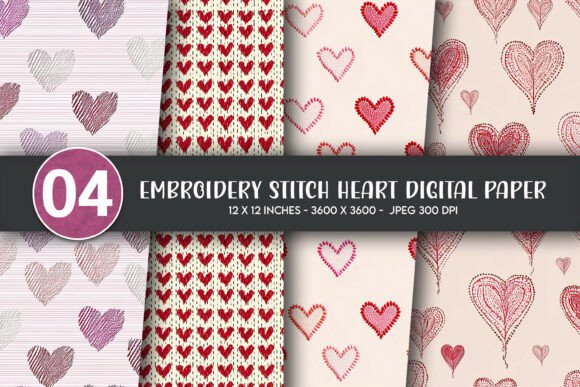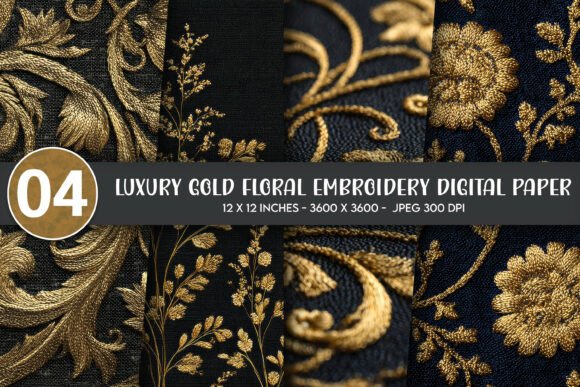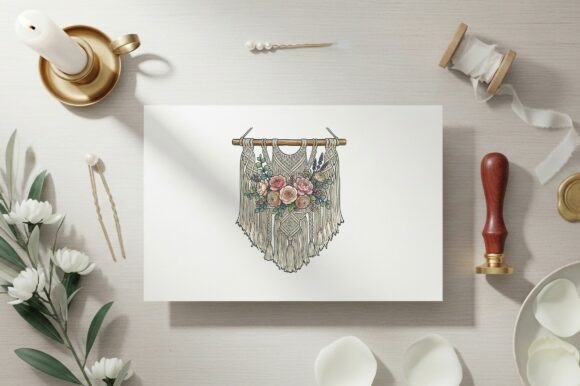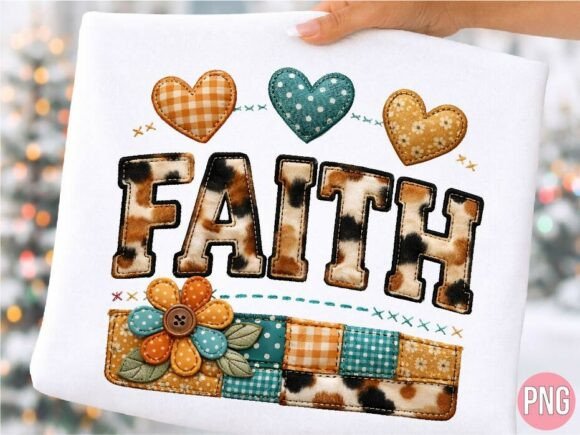
Ornate Floral Embroidery Digital Papers Review for Business Use
First Impressions: Elegant, Decorative, and Versatile
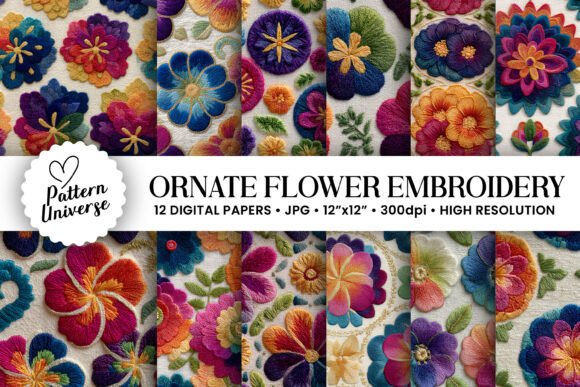
As an experienced embroidery designer, the Ornate Floral Embroidery Digital Papers immediately struck me as a collection with strong visual appeal. The title and description suggest a blend of luxury and botanical detail, perfect for small businesses looking to elevate their merchandise with a touch of elegance. These designs feel premium, handmade, and decorative—ideal for businesses that want to communicate quality and artistry through their branded items.
While many digital embroidery files lean toward minimalism or bold graphics, this set stands out with its intricate, seamless patterns. It’s well-suited for brands that embrace a more classic or botanical aesthetic—think florists, bakeries, boutique studios, and artisanal shops.
Practical Business Applications: From Patches to Product Packaging
Let’s get into the real-world use cases. When evaluating a design like Ornate Floral Embroidery Digital Papers, the key question is: how does it translate from screen to stitch? Here's how it holds up across different business applications:
- Embroidered patches: The seamless, ornate nature of these designs makes them ideal for patch creation. They can be resized and framed within a patch border for a polished look that works well for boutique merchandise or custom apparel.
- Staff uniforms: Whether on a chest logo or sleeve detail, these designs add a touch of sophistication. However, it's important to consider stitch density and fabric texture to ensure durability and clarity on workwear.
- Apron and cap embroidery: The botanical theme complements food and craft businesses. Just be cautious with curved surfaces like cap fronts—mockups are essential to visualize how the design flows.
- Tote bag branding: These patterns can be used as a central design or as a decorative accent. Their seamless nature allows for creative placement and scaling without distortion.
- Product packaging accents: For handmade brands or Etsy sellers, using these designs as embroidery accents on packaging (like gift totes or branded tags) adds perceived value and a personalized touch.
- Event merch and customer gifts: Perfect for limited-run items like holiday cards, gift wrapping, or exclusive branded items that need to feel special and handcrafted.
Where to Use with Caution: Design Limitations for Embroidery
Despite their beauty, these designs do come with some considerations for embroidery production:
- Small patch sizes: The intricate outlines may not hold up well at very small dimensions. Always test the design at intended patch size before full production.
- Cap fronts and curved surfaces: Ornate details can get distorted on curved areas. Use a printable mockup or stitch sample on a cap blank to confirm clarity.
- High stitch density: Depending on how the file is constructed, dense stitching can lead to stiffness or fabric puckering. Check spacing and thread coverage during testing.
- Dark uniforms: If the design includes lighter floral details, they may not stand out on dark fabric without proper underlay or thread contrast.
- Frequent washing: For uniforms or workwear, ensure the design is durable enough to withstand repeated laundering without fraying or thread loss.
Brand Identity Impact: Elevating Visual Consistency and Recognition
Using Ornate Floral Embroidery Digital Papers strategically can significantly enhance a small business’s brand presence. These designs bring a sense of professionalism, elegance, and handmade charm—a rare combination in digital embroidery files.
For a boutique or florist, these patterns can become part of a cohesive visual language across packaging, staff uniforms, and product labels. This kind of visual consistency builds customer trust and brand recognition, especially when used across both physical merchandise and digital mockups for social media or Etsy listings.
They also add product value by signaling attention to detail and craftsmanship—perfect for handmade brands or creative studios that want to stand out in a crowded market.
Designer Notes: Pre-Production Checklist for Business Use
Before taking Ornate Floral Embroidery Digital Papers into full production, here are essential steps every embroidery designer should follow:
- Test in black and white first: This helps identify clarity and contrast issues before committing to color thread choices.
- Check performance at small sizes: If the design is destined for patches or labels, test at 2” or smaller to ensure detail remains intact.
- Review thread color contrast: Especially important for light-on-dark applications. Always test on fabric swatches.
- Inspect spacing and density: Make sure the design doesn’t have overly tight areas that could pucker or distort fabric.
- Confirm hoop size compatibility: Ensure the machine you’re using can accommodate the design without scaling issues.
- Test on real fabric: Don’t rely solely on digital mockups. Stitch on the actual material the client will use.
- Use proper stabilizer: Especially important for textured or stretchy fabrics to maintain stitch integrity.
- Create a mockup for client approval: Helps avoid costly rework and ensures expectations are aligned.
- Compare with other design assets: Ensure this design fits within the brand’s existing visual toolkit—logos, fonts, colors, etc.
- Confirm commercial licensing: Always verify that the design is licensed for commercial embroidery use before producing for clients or resale.
Final Thoughts: A Strong Choice for Brands with a Botanical Vibe
In summary, Ornate Floral Embroidery Digital Papers offer a unique blend of luxury and botanical charm that can elevate a small business’s merchandise and branding efforts. Whether you're creating embroidered patches, staff uniforms, or boutique product labels, this design set provides a versatile and visually rich option for professional embroidery use.
It’s especially valuable for creative brands that want to stand out with a handmade yet polished aesthetic. Just remember to test thoroughly, review licensing, and consider fabric and size limitations before full-scale production. Done right, this design can become a signature element of your brand’s visual identity.