Princess Tiara Crown: Craft Fair Review
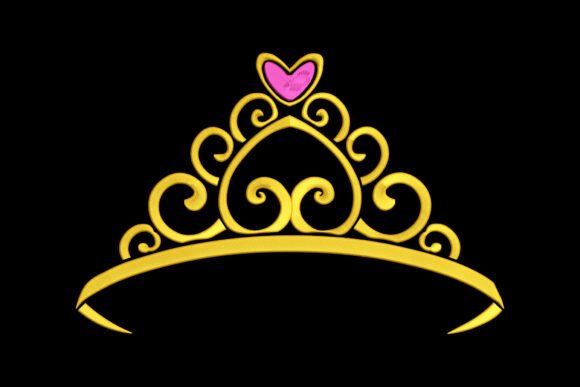
As an experienced embroidery designer preparing for a weekend craft fair, I approach every new machine embroidery design with a critical eye. The goal is not just to create something pretty on a screen, but to produce a viable craft fair product that moves inventory and delights customers. When evaluating the Princess Tiara Crown design, my first impression is one of refined elegance rather than cartoonish playfulness. Despite the "Boys" category tag often associated with generic children's items in digital catalogs, this specific design reads as universally regal. It feels premium, decorative, and sophisticated, making it a strong contender for boutique makers and Etsy sellers looking to elevate their handmade offerings beyond basic novelty gear.
Evaluating Visual Impact and Marketability
The immediate visual appeal of the Princess Tiara Crown lies in its balance of detail and clarity. For a booth display, you need designs that are legible from three feet away while still rewarding closer inspection. This design achieves that duality. It does not feel cluttered or overly dense, which is a common pitfall with crown motifs. Instead, it offers a clean silhouette that suggests high-quality commercial embroidery. For creative entrepreneurs, this means the design can serve as a focal point on larger items or a tasteful accent on smaller goods without overwhelming the base material.
When considering where this fits in a market lineup, versatility is key. While tiaras are traditionally feminine, the architectural structure of this crown allows it to cross over into gender-neutral royal themes, pageantry, or even historical reenactment merchandise. This flexibility is crucial for maximizing sales at diverse markets. As an Etsy seller, you can market this to multiple niches simultaneously, from princess party planners to collectors of heraldic embroidered patches.
Best Applications for Booth Inventory
Not every substrate showcases intricate stitch work equally. Based on the description highlighting tote bags, cushions, and table linens, here is how I would prioritize production for a physical market table:
- Tote Bags and Market Shoppers: This is likely your highest ROI item. The Princess Tiara Crown works beautifully as a centered chest placement or a large back print on canvas totes. Canvas provides a stable foundation that prevents puckering, ensuring the tote bag design looks professional and durable.
- Cushions and Pillow Covers: Home decor buyers love elegant accents. A monochromatic tone-on-tone stitch out on linen or velvet creates a luxury feel. This application highlights the "elegance" mentioned in the product description and justifies a higher price point for handmade products.
- Tea Towels and Table Linens: These are excellent volume sellers. However, because tea towels are often textured, you must ensure the design’s details do not get lost in the weave. This motif is ideal for border placements or corner accents on napkins and placemats.
- Aprons: For a baking or crafting niche, a small crown placed over the heart or on the pocket adds a touch of whimsy without being juvenile. Apron embroidery requires careful hooping to avoid distortion, but the payoff in perceived value is significant.
Production Realities and Technical Considerations
Before committing to batch production, practical testing is non-negotiable. As a designer, I always advise checking the stitch density before running a full production set. Crowns often contain metallic threads or high-density satin stitches to simulate jewels and metalwork. If the density is too high for your chosen fabric, you risk needle breaks, thread shredding, or a stiff, bulletproof result that ruins the drape of a garment or towel.
You must also verify the hoop size requirements against your machine’s capabilities. The product description mentions hoop embroidery specifically, implying standard compatibility, but dimensions vary. Always confirm the exact measurements of the embroidery file before purchasing or stitching. Additionally, review the thread colors chart. Does the design require six color changes for a two-inch area? If so, it may not be profitable for low-cost items like patches due to production time. Streamlining colors can maintain margins without sacrificing the elegant aesthetic.
Stabilizer choice will make or break this design. For the tote bags and aprons mentioned, a medium-weight cutaway is usually safest to support the weight of the crown. For tea towels or lighter linens, a tear-away might suffice, but only if the design lacks heavy fill areas. Never guess; test on scrap fabric identical to your final product to check for registration issues or fabric texture interference.
Selling Strategies for Digital and Physical Markets
For those selling finished goods, photography is your primary sales tool. The Princess Tiara Crown needs to be photographed in natural light to show off thread sheen. Flat lays work well for pouches and towels, but lifestyle shots sell the dream. Photograph a child wearing the embroidered cap or a styled table setting featuring the linen. This context helps buyers visualize the finished product in their own lives.
If you are a digital seller offering the digital embroidery file itself, your listing photos must include real stitch-outs, not just software renders. Buyers need to see how the design handles real-world variables. Include a close-up macro shot to demonstrate stitch quality and a full-item shot to show scale. Mentioning specific successful applications, such as "tested successfully on denim caps and cotton totes," builds trust and reduces customer service inquiries regarding suitability.
For booth displays, grouping matters. Do not scatter the crown designs randomly. Create a "Royal Collection" vignette. Group the embroidered patches, the tote bag, and the pillow cover together. This merchandising strategy reinforces brand consistency and encourages bundling. When customers see the Princess Tiara Crown applied across different mediums cohesively, they perceive your business as a professional boutique rather than a hobbyist stall.
Designer Notes for Quality Assurance
Finally, a few critical reminders for anyone adding this to their commercial lineup:
- Check Licensing: Before selling any small shop product or digital asset derived from this design, confirm the commercial licensing terms. Ensure you have the right to sell finished embroidered goods versus the digitized file itself.
- Create Printable Mockups: For online listings, use high-quality printable mockups to showcase potential color variations without re-stitching every option. This saves time and materials while expanding your catalog's apparent variety.
- Mind the Details: Be cautious with resizing. Reducing a detailed crown by 50% often results in lost definition and thread jams. If you need a smaller version for caps or baby clothes, look for a specifically digitized mini version rather than shrinking the master file.
- Fabric Contrast: Test on both light and dark fabrics. Some crown designs rely on outline stitches that disappear on dark backgrounds unless a white underlay is programmed correctly. Verify visibility before listing dark-colored apparel.
The Princess Tiara Crown represents a valuable addition to a serious embroiderer's library. Its blend of elegance and versatility makes it suitable for everything from high-end home decor to playful children's accessories. By approaching this design with technical diligence and strategic marketing, you can transform a simple design asset into a best-selling staple for your craft fair booth or online shop. Remember, success in embroidery isn't just about the digitizing; it is about understanding how thread, fabric, and customer desire intersect to create a product worth buying.