Tree of Life Yin Yang: A Designer’s Stitch Test
When I first loaded the Tree of Life Yin Yang machine embroidery design into my software, I wasn't just looking for a pretty picture; I was evaluating it as a potential bestseller for my upcoming autumn collection. As someone who runs a small embroidery business and creates custom apparel, I know that a digital preview can be deceiving. A design might look intricate on screen but turn into a bulletproof patch of thread on fabric. This specific design, which blends organic forest imagery with balanced symbolism, immediately struck me as a versatile candidate for both personal projects and commercial inventory. However, translating that subtle charm into a tangible handmade product requires more than just hitting the start button.
Evaluating Visual Balance and Stitch Architecture
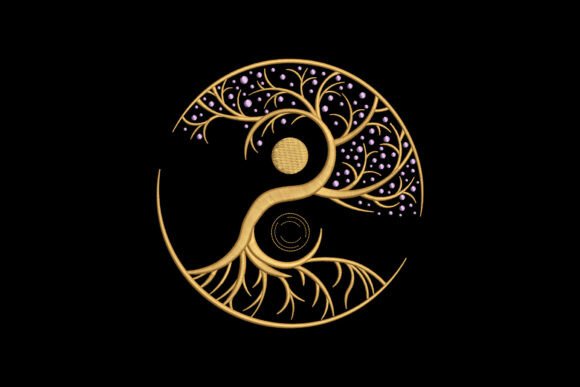
The initial appeal of this embroidery file lies in its duality. The Tree of Life concept naturally lends itself to circular framing, while the Yin Yang element introduces a necessary geometric balance. From a digitizing perspective, this is crucial. Purely organic shapes can sometimes lack structure when stitched out, leading to registration issues or distortion. The Yin Yang aspect here acts as an anchor, providing clear boundaries for the satin stitch and fill stitch areas.
In my assessment, the design avoids the common pitfall of excessive density in the center. Many forest-themed designs suffer from "thread buildup" where branches converge, creating holes in lighter fabrics or causing needle breaks. This Tree of Life Yin Yang appears to respect fabric integrity, likely utilizing running stitches for finer details and reserving heavier coverage for the main trunk and symbolic curves. This thoughtful distribution of stitch density makes it a strong contender for sweatshirt embroidery and tote bag design, where comfort and drape are just as important as visual impact.
Real-World Application: The Custom Tote Bag Test
To truly judge this design, I mentally walked through a recent client request for eco-friendly market bags. She wanted something spiritual yet grounded, specifically requesting nature motifs. For this application, the Tree of Life Yin Yang serves as an excellent centerpiece. Unlike high-density applique design files that can make a canvas bag feel stiff and heavy, this design’s likely mix of texture allows the natural fabric texture to breathe through the stitching.
I envision this working beautifully on unbleached cotton canvas. The contrast between dark green or charcoal thread against the raw linen tone would highlight the Yin Yang separation without needing excessive underlay. For Etsy sellers focusing on sustainable goods, this design bridges the gap between trendy boho aesthetics and timeless symbolism. It transforms a basic utility item into a personalized gift with perceived value far exceeding the blank cost. When photographing the finished product for a printable mockup or listing, the circular composition draws the eye directly to the center of the bag, making it highly clickable in search results.
Fabric Compatibility and Stabilizer Strategy
While the description suggests this is perfect for T-shirts, towels, and pillows, experienced makers know these substrates behave very differently. Here is how I approach using this digital embroidery file across various materials:
- T-Shirts and Knits: Stretchy jersey knits are unforgiving. If the Tree of Life Yin Yang has dense fill areas, you must use a cut-away stabilizer to prevent puckering. Always test on a scrap first. If the design feels too heavy after a test stitch-out, consider reducing the density by 10-15% in your editing software or choosing a lighter weight tear-away topping to keep the garment soft.
- Towels and Terry Cloth: The loops of terry cloth can swallow fine running stitches. For this forest theme to remain legible on a kitchen towel, use a water-soluble topping. This keeps the stitches sitting on top of the pile rather than sinking in. Ensure the satin stitch columns defining the Yin Yang are wide enough to cover the texture completely.
- Pillow Covers and Home Decor: These are generally stable woven fabrics, making them the safest bet for detailed work. However, because pillows are tactile, check the back of the embroidery after stitching. Excessive jump stitches or rough underlay can be uncomfortable against skin. A clean finish here signals professional quality to buyers browsing your craft business listings.
Navigating Technical Constraints and Hoop Sizes
One critical step before committing to a production run is verifying your hoop size compatibility. Circular designs like this often maximize the usable area of a hoop. If you are working with a standard 4x4 hoop, ensure the design doesn't push right to the edges, as this can cause tension issues and flagging during stitching. For larger hoops, verify that the design hasn't been artificially stretched, which distorts stitch angles and ruins the flow of the tree branches.
For those considering this for baby embroidery, caution is paramount. Infant skin is sensitive, and any scratchy backing or dense thread clusters can be irritating. I recommend testing the reverse side against your own cheek. If it feels abrasive, add a fusible tricot interfacing to the back of the finished piece or choose a different, lighter-weight design asset for onesies. Safety and comfort always trump aesthetic complexity in the nursery category.
Commercial Viability for Makers and Sellers
For fellow Etsy sellers and boutique owners, the Tree of Life Yin Yang offers distinct merchandising advantages. Its universal symbolism appeals to a broad demographic, from yoga enthusiasts to nature lovers, without being overly niche. This widens your potential customer base for holiday embroidery sales and wedding gifts. The design’s inherent symmetry also makes it easier to align perfectly on garments, reducing waste and rework time in a commercial embroidery setting.
However, professionalism extends beyond the stitch-out. Before listing any finished product featuring this design, you must confirm the licensing terms of the embroidery file. Can you sell physical items? Are there limits on production quantity? Is digital redistribution prohibited? Clarifying these rights protects your shop from infringement claims and builds trust with customers who value ethical sourcing. Additionally, when creating marketing assets, avoid over-editing photos. Show the actual stitch texture. Buyers want to see how the thread interacts with the fabric, not a flat vector graphic. Authenticity drives engagement in the handmade community.
Final Designer Notes for Success
Integrating the Tree of Life Yin Yang into your workflow requires preparation. Always run a test stitch-out on the exact fabric and stabilizer combination you intend to use for the final project. Check thread color contrast under natural lighting; what looks good on a monitor may disappear on navy fabric. Inspect small details like leaf tips or root ends to ensure they aren't getting lost or fraying.
If you plan to offer this as part of a personalized gift service, consider how customization interacts with the design. Does adding a name below the tree disrupt the Yin Yang balance? You may need to adjust spacing or font weight to maintain harmony. Ultimately, this design holds significant promise for elevating your embroidered patch collection, apparel line, or home decor inventory. By treating it with technical respect and creative intention, you transform a simple digital file into a meaningful, high-quality product that resonates with buyers and reflects your dedication to the craft.